
kATYÉ: MEANING OF THE NAME
Katyé [kah-tee-yay] means “neighborhood” or “community” in Haitian Creole.
For us, it’s more than just a word, it carries belonging. We chose this name because our own lives have been shaped by the power of community. Everywhere we have lived, from Massachusetts to Philadelphia, Haiti to Durham, the concept of neighborhood and community has rung true. Different places, same lesson: belonging takes root where people gather.
My Love for Haiti
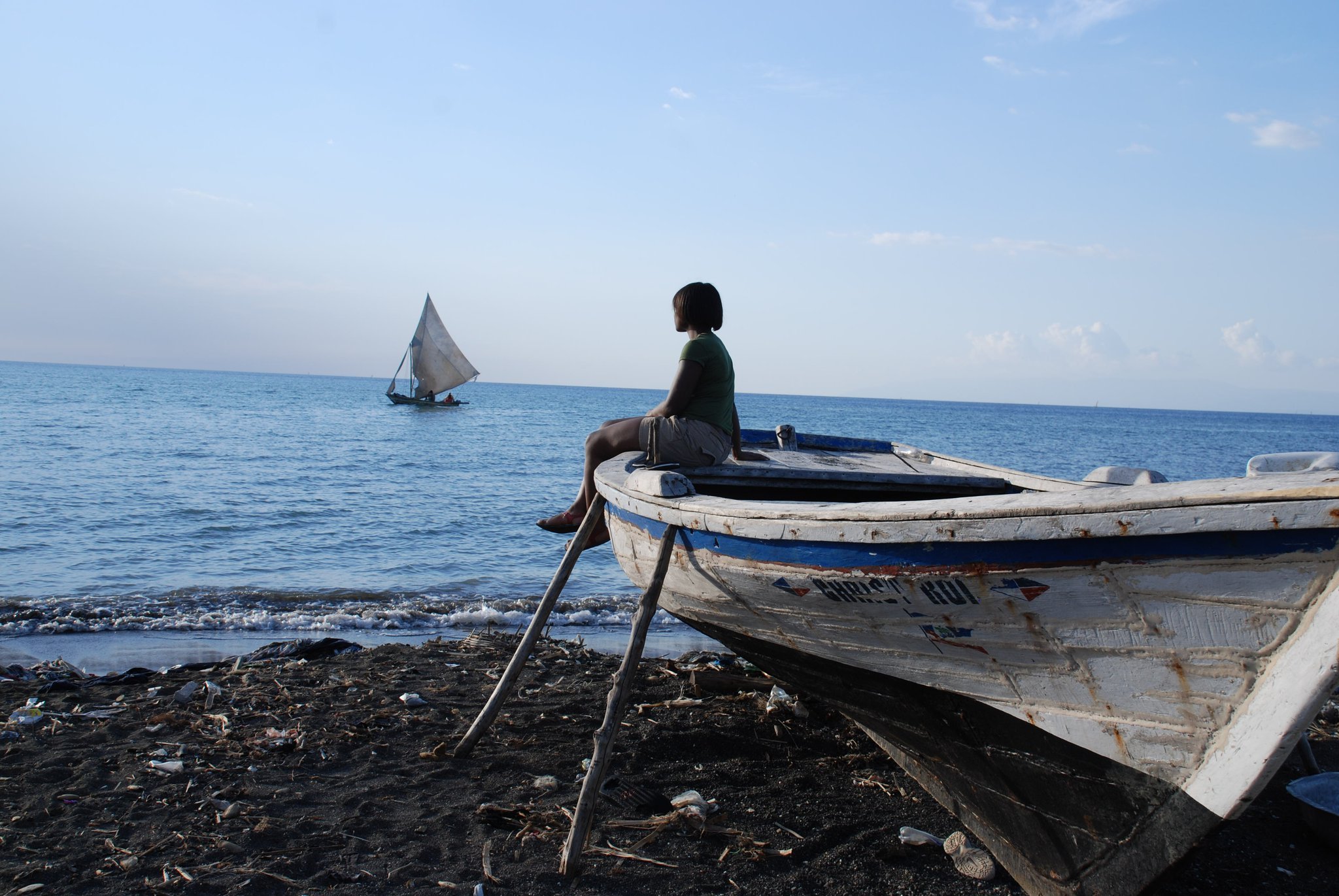
Me at Ça Ira Beach in Haiti in 2009
DAFNEY | The year was 2009, and the opportunity to visit Haiti finally came. Ever since I was a child, I had yearned to step foot on Haitian soil. Like many Haitian Americans, I carried a romanticized version of Haiti with me—an idea shaped by stories, distance, and longing, passed down and quietly intoxicating to children born throughout the Diaspora. I imagined myself wrapped in familiarity: embracing relatives I knew more through stories and photos than proximity, eating from street food vendors without hesitation, lingering at the flea market, bargaining half-heartedly before laughing and paying the inflated “tourist price” anyway. And still—Haiti did not disappoint. It felt like a homecoming. Not just a place I was visiting, but a place that recognized me.
Since as far back as I could remember, I'd begged my parents to take me to Haiti. Pictures of my family sent yearly just weren't enough. I finally met them for the first time when I traveled there in 2009. It seemed like most of the neighborhood in Léogane, a small province outside the capital, Port-au-Prince, where both of my parents were born and generations of my relatives still live, turned out to welcome me.
They surrounded me with smiles. Younger cousins touched my hair, while the elderly women pinched my butt and thighs.
"She got her arms and thighs from our side of the family," said my aunt. "But everything else is her father's," added a family friend, whose wrinkled face was inches from mine.
I was fortunate to see the country, and its historical landmarks like the famed Neg Mawon statue and the Presidential Palace, roughly a month before the devastating 2010 earthquake flattened many structures in the city and surrounding areas.
I haven’t been back since. Natural and man-made disasters have made the prospect of traveling to where my relatives reside nearly impossible.
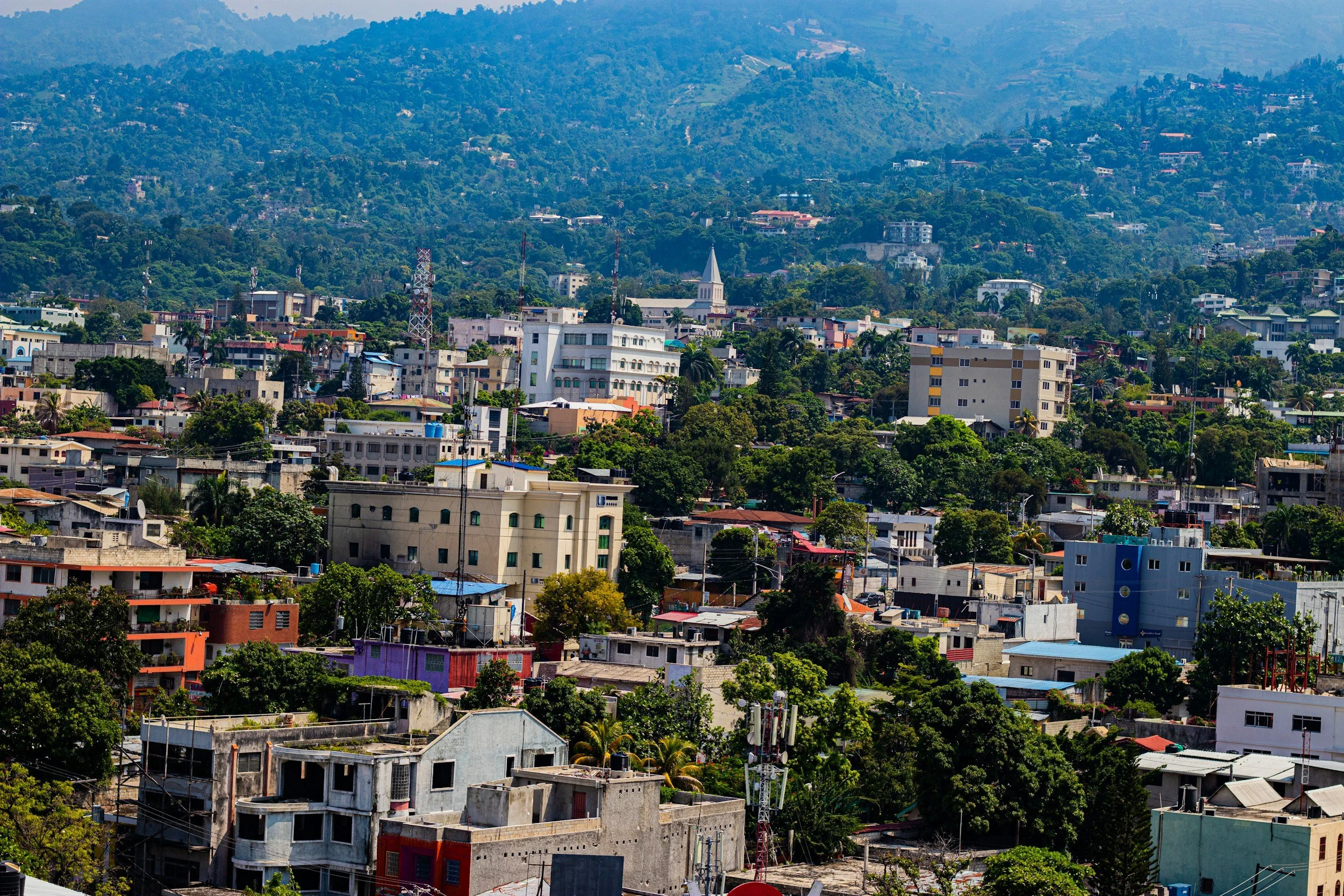
But, I carry the memories with me still. The Haitian sun shining on my face, the ease of island living, the freshness of the food, the cacophony of city traffic, the warmth and resolve of the people. All of that lives within me. And I get to share it with all of you in the Triangle. Through me, and my husband, a Haitian native, we get to highlight the beauty and complexity of Haitian food and culture.
I hope you love it just as much as I do.
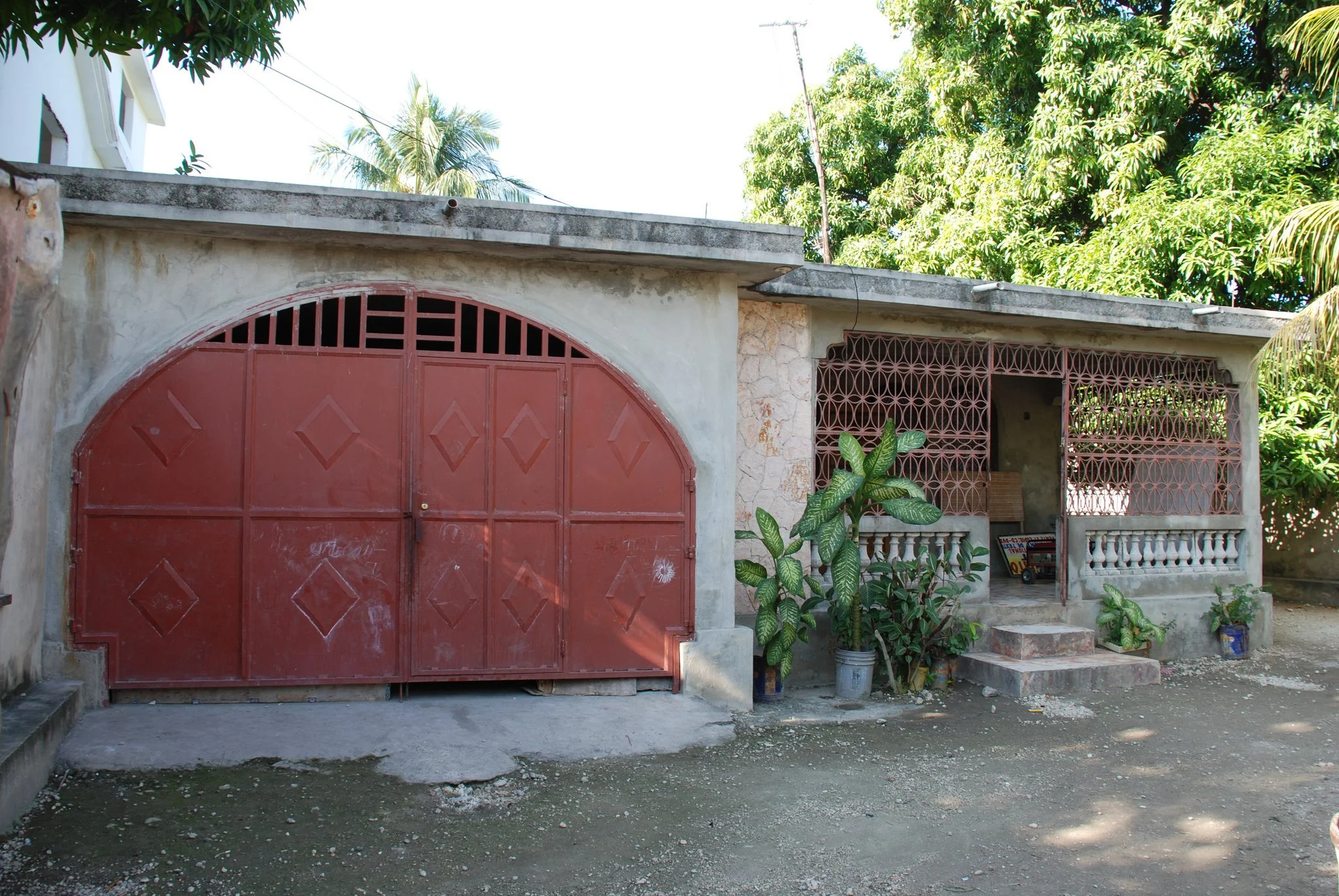
My family home in Léogâne, Haiti